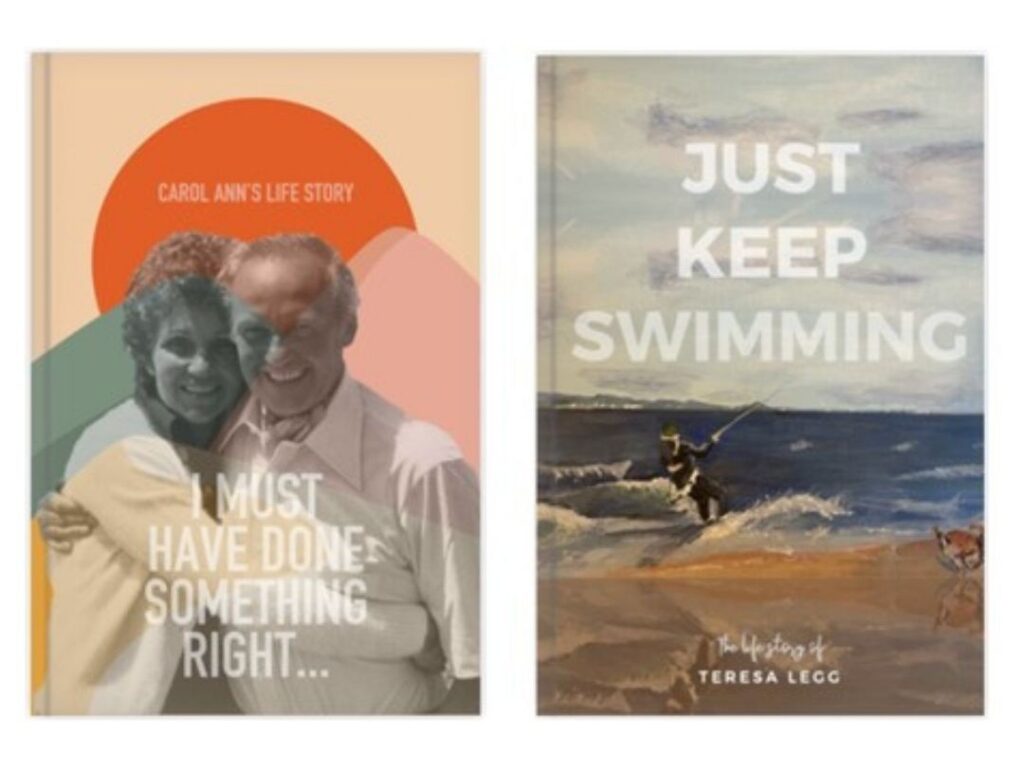
‘What do you do for a living, Julian?’ strangers often ask me – you know, that go-to small talk at weddings or your second cousin’s granddaughter’s twelfth birthday party.
I know my answer is going to raise a lot more questions. Not because I am so interesting – but because my work (passion, really) is rather niche.
‘I write real-life stories,’ I say.
‘Oh, for celebrities?’ inevitably comes the reply.
‘No, no,’ I say, as if rehearsed (I’ve said it so many times) – but I don’t mind – ‘I write so-called ordinary people’s life stories. If you want grandma’s life story recorded in writing for future generations, I’m your man. Perhaps you have always been interested in learning about Dad’s childhood – I do that, too …’
‘And how do you gather their stories? Interviews?’ they ask.
‘Well, we begin by gathering a vague timeline of your loved one’s life and the stories they wish to cover. That helps us establish whether our client would like to focus more on their career than their family life, or vice versa. Perhaps they want their autobiography to be a perfect blend of the two. Others would like to focus on one particular part of life – their early years, perhaps – more than the later years. That’s fine. It is their story, after all.’
‘Fascinating, the stranger says, taking a small sip of her drink. ‘And do you stick to a set format?’
‘No, not really. Some clients want to ensure their autobiography is humorous. That’s great to know. Others would like to take a more serious approach. Noted! This all leads us to understanding how to lead the next part of the process: the interviews.’
By this point, I try to make an escape to the bathroom. But if I did stick around to offer my new friend (whose name I didn’t even get – I should have given her one of my business cards), I would have gone on something like this.
Essentially, we uncover our client’s life stories through interviews. Scratch that. “Interview” sounds a little ominous. We prefer to refer to the content gathering stages of the project as “conversations”. That’s what they are – enjoyable conversations about our clients’ lives. They really are fun – a chance to answer our questions and remember all of those fun, interesting, emotional times that have woven the rich tapestry of their lives. I always listen intently to everything my client says, which allows us to ask follow-up questions that we think their loved ones (the ultimate readers) will want to know when they read the autobiography. Often, our questions will uncover truths that you haven’t thought about for a long time. It’s always a great pleasure when I hear a client say, “I haven’t thought about that for decades – I did have a lot of fun, didn’t I?”
Some of our clients’ greatest fears are that they will not remember enough about every period of life we are trying to gather stories from. Fear not – nine times out of ten, our clients have far more to say on each subject we unearth than we can possibly write. You will be shocked at how many memories are unearthed through meaningful conversation focused on your life. In the event that you can’t remember something, that does not matter at all. When that happens during our conversations, we move on to the next question. Sometimes, the answer – the memory – creeps back into our client’s mind, and we gather the story at a later date. If certain memories are a little more stubborn, there will be plenty more to recall …
Once we have gathered hours of audio recordings filled with life stories to listen back to, it’s time for us to create a structured narrative. More often than not, we write our client’s life stories in a classic autobiographical format: chronological. This does not mean we are writing a list of your accolades in date order. No, we are ensuring your memories are told in your voice, just as if you were sitting in front of your loved one, reading them aloud. At Forever Stories, this happens organically, built on more than ten years of combined professional writing experience. Yes, we may have misinterpreted some of the things you told us. Perhaps we misheard a name. Fear not, you will have numerous chances to review your life story before we go to print. Whatever you tell us and whatever we write for you remain firmly with us until they are shared with you.
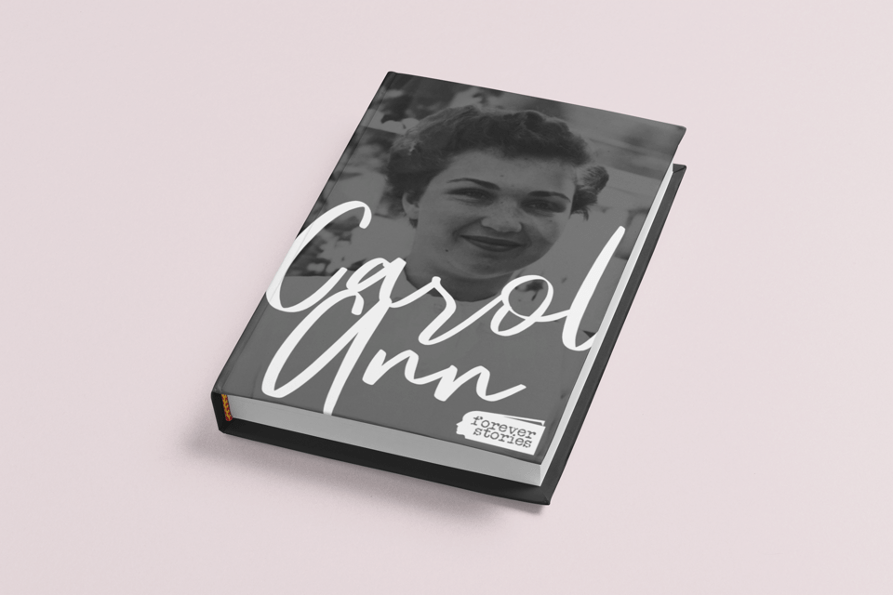
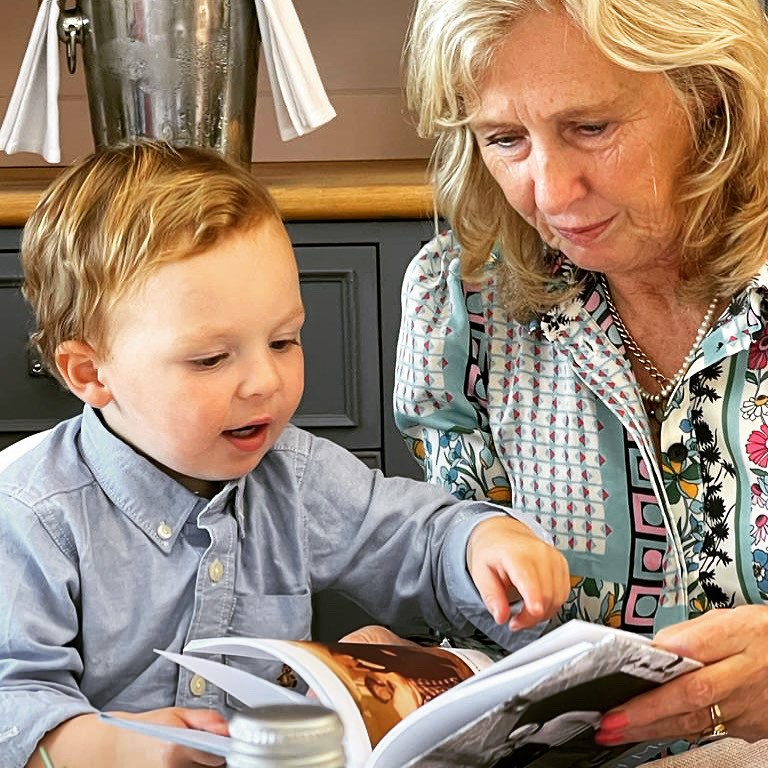
And we are certain that the moment our clients hold their or their loved one’s life story in their hands will bring a beaming smile to their faces – perhaps a happy tear.
Top tip: It is so important that you choose to work with a ghostwriter who you get on well with. It’s not all about the writing. Capturing a life story in writing is as much about ensuring you or your loved one feels comfortable sharing their stories with whoever is writing them. At Forever Stories, we pride ourselves on being extremely personable, sensitive and empathetic – all important qualities to ensure you are as comfortable as possible sharing your stories.
How to Start Today:
Please email Julian Coles at info@foreverstories.co.uk or telephone him on 07508 103 714